Pest pressures don’t move in a straight line. They rise and fall with temperature, rainfall, neighbor activity, construction on the block, even what you planted in April. The homes that stay pest free through the year have one thing in common: a rhythm. Small, consistent steps timed to the seasons keep the edge dull on infestations and make problems easier to fix when they do appear. Think of it like tuning an instrument. Wait until the strings are wildly out, and you are in for a long session. Nudge them a little every month, and the sound stays clear.
This is a field guide for that rhythm. It pairs the way pests actually behave with a monthly plan that respects weather patterns and daily life. It does not require heroics or heavy chemicals. It asks for attention at the right time, and the right amount of action before issues harden into costly repairs or sleepless nights.
How pest pressure really changes through the year
In temperate regions, insects and rodents track microclimates. Heat radiating from foundations, moisture in mulch beds, food scent cones leaking from dryer vents, and tiny shifts in barometric pressure all influence movement. Ant control and spider control become front and center as spring wakes up, then bee and wasp control spikes with warm, still afternoons. Mosquito control hinges on standing water after early summer rains. Termite control, especially for subterranean species, crosses spring and fall when soil moisture hits a sweet spot. Rodent control surges when nights cool and pantry spaces look like winter storage to mice.
None of this means pests vanish off-season. They slow, hide, nest, or hitchhike. Bed bug control often peaks around summer travel and the holiday shuffle. Crickets sing into basements when lawns dry out. Carpenter bees control is mostly a spring carpenter job when mating begins and fascia boards look like potential lumberyards.
Your plan should reflect those swings, with calendar anchors that take advantage of predictable biology.
January: quiet month, big leverage
January is slow on the surface. That is exactly why it is a strong time to fix structural gateways. Pull everything out from under sinks and look for light around plumbing penetrations. A quarter inch gap is a front door for mice. Seal with a cut-to-fit escutcheon plate and back it with silicone. In older basements, look for hairline cracks around utility entries. If a pencil tip fits, so will an ant scout or a silverfish. Use low-expansion foam for wide gaps and exterior-grade sealant for fine ones.
Check attic insulation disturbed by rodents. Compressed batts and peppered droppings tell you mice used the insulation as both highway and bathroom. Remove soiled sections in sealed bags and replace. Traps work now better than any other month, because food competition outdoors is minimal. If you use snap traps, set them perpendicular to walls, trigger facing the baseboard. Bait with a rotation, not just peanut butter. A bit of cotton ball can be irresistible for nesting.
This is a good window to vacuum baseboards and trim thoroughly. Spider egg sacs and carpet beetle larvae get removed as physical control, which reduces pesticide reliance later. Crickets, if they overwinter in floor drains, can be discouraged with drain covers and a cup of enzymatic cleaner.
February: kitchen discipline and storage sanity
Pantries invite trouble when packaging loosens and items sit long. Pour flour and grain products into airtight containers. If you decant, label with a purchase date. That simple habit is one of the most effective ant control and stored-product pest moves a homeowner can make. Sweep under and behind appliances, where grease splatter lives. Ant scouts map those zones with pheromones, and grease becomes a standing food island.
Inspect door sweeps. Daylight under an exterior door equals a welcome mat for crickets and spiders. Replace with a threshold that closes the gap to less than an eighth of an inch. In garages, lift cardboard boxes off the floor. Rodents love corrugated channels. Use lidded bins instead, and keep them at least six inches off slab to break harborage.
If you battled bed bugs at any point, February is a calm moment to install interceptors under bed legs and encase mattresses. That move takes the panic out of detection later, because small reintroductions from travel get caught early.
March: water management before the thaw surge
The first warm rains reveal what winter hid. Walk your foundation while it is actively raining or within an hour after. Watch where termite control Domination Extermination water pools. Mosquito control starts in gutter elbows, tire swings, plant saucers, and the lip on a poorly graded downspout. Correct grade with soil, add splash blocks, and clean gutters. If you have a sump discharge that creates a puddle, extend it another ten to twenty feet.
Mulch is helpful for plants, but for termite control, keep it a bare strip away from siding by at least four to six inches. You are not stopping termites with a mulch line alone, but you are exposing mud tube construction zones. If you see pencil-thick, dried mud straws on the foundation, call a pro. That is not a DIY moment.
Check window screens as you open them for spring. Fresh tears will become bee and wasp entry points later when they investigate warm window frames.
April: the spring surge and ant highways
April belongs to ants, spiders on the move, and the first wave of wasps scouting. You will see carpenter ants following moisture lines. Watch for sawdust frass around window sills or baseboards. For ant control, bait beats spray when you can keep it away from pets and kids. The goal is to share poison with the nest. Place gel baits along foraging trails but off the main pathway so they pause to feed. Avoid spraying over bait sites, which turns an effective station into a repellant zone.
Spiders balloon from trees and reestablish in eaves. Brush down webs with a soft broom, then apply a perimeter microencapsulated residual around eaves, soffits, and door frames if you use chemical tools. The physical removal cuts egg pressure, the residual creates a no-go barrier. In basements that back to wood lots, cricket control pays off now with dehumidification. Dry air saves you pesticide later.
If you live with cedar fascia or unpainted softwoods, carpenter bees will start drilling soon. Paint or stain exposed boards before sunny days stack up. Fresh finish is not a guarantee, but it makes lumber less attractive.
May: wasp paper and carpenter bee sawdust
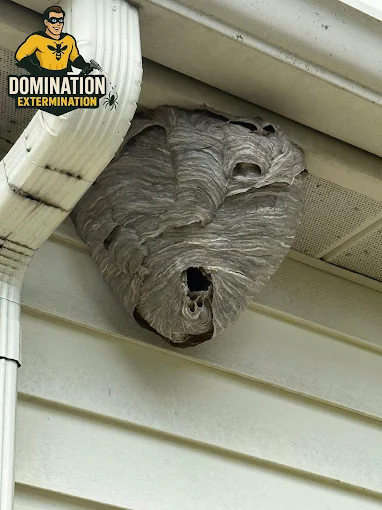
By May, paper wasps build tiny starter nests under soffits. Knock them down with a long handle before they reach the pancake size where queens become defensive. Wear eye protection and do it in early morning when activity is low. Bee and wasp control at this stage is surgical and low risk.
Carpenter bees drill perfect half inch holes, then turn along the grain. You will see yellow sawdust streaming from a hole and hear a faint rasp. For carpenter bees control, avoidance plus deterrence works well. Paint fascia and add trap blocks near problem areas if you do not want to treat chemically. If you treat, do it at twilight when bees are in galleries. Apply a dust labeled for that use directly into the hole, plug with a wood dowel after a few days. Do not plug immediately, or you trap live bees that will chew a new exit.
Termite swarmers often show on sunny days after rain in this window. Winged ants have bent antennae and a pinched waist. Termite swarmers have straight antennae and a thick waistline. Save a sample in a bag and get it identified. Misidentifying can waste a season.
June: mosquitoes, heat, and outdoor living
June hands the baton to mosquitoes. Most backyards breed them without realizing it. A bottle cap can breed dozens. Mosquito control is three parts: water denial, targeted larviciding, and personal protection. Drop a larvicide dunk into rain barrels. Replace water in birdbaths weekly. Check hollow fence posts. Clean out the plant saucer that hides under the grill.
Yard lighting can change insect traffic overnight. Switch bulbs near doors to warm LED, and reduce ultraviolet-heavy lights that draw swarms. Keep lawn edges low. Tall grass along fences is a tick and mosquito resting zone.
Spider control goes outdoors now. Look up under deck joists and lattice. A shop vac removes egg sacs fast. If webs reappear within a day in the same spot, look for the prey source. Porch lamps could be feeding the web.
July: heat stress for pests, and houses
High heat stresses pests and buildings. This is when ant baits can desiccate too fast, so lean on gel baits in shaded spots and feed stations under sinks instead of sun-baked placements. For rodent control, garage doors left cracked for airflow become mouse highways. Keep them down at night and seal side gaps with brush seals.
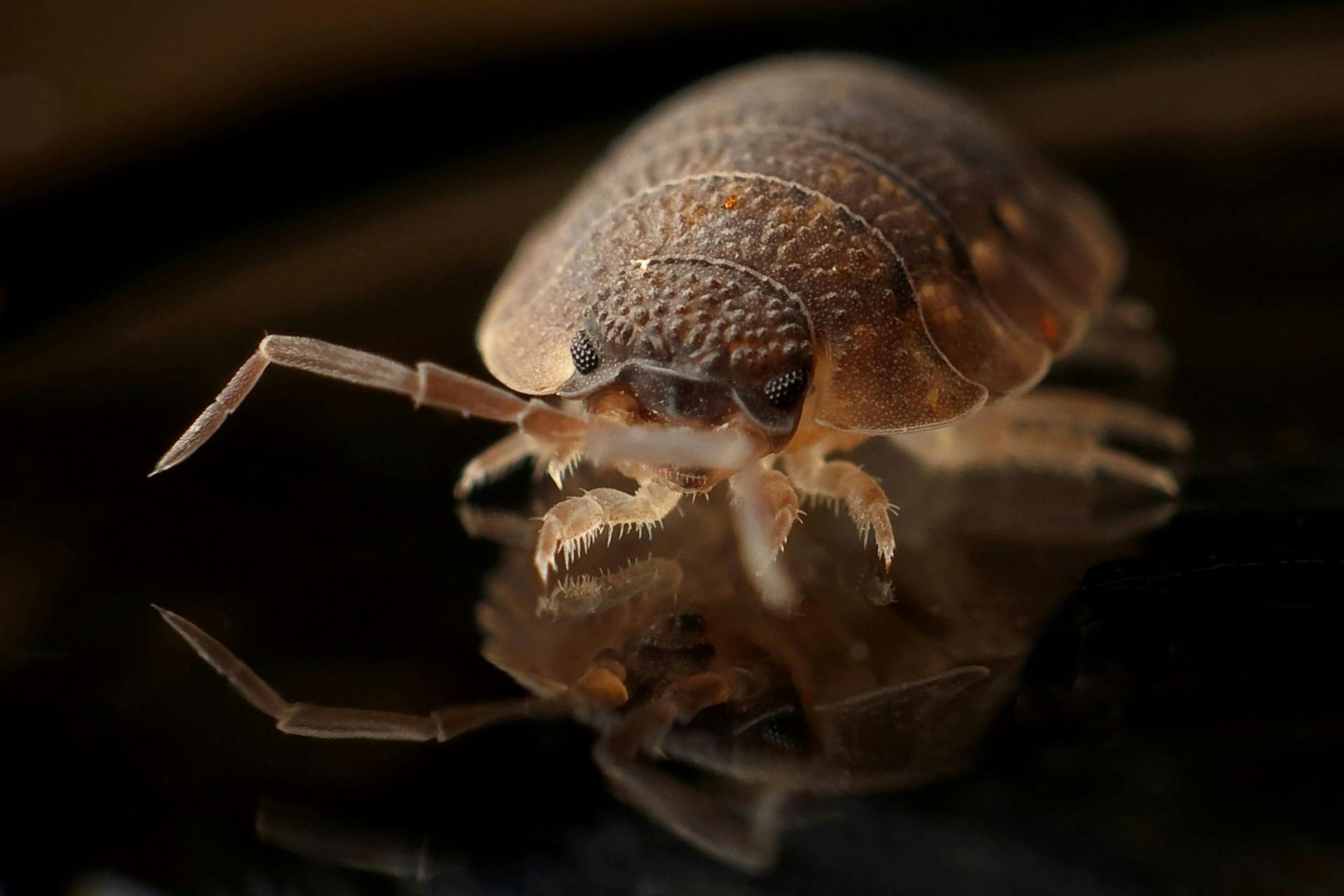
Bed bug control sees an uptick as guests come and go. Heat treat soft goods in a dryer on high for 30 minutes when they return from travel. Inspect luggage seams with a flashlight. Interceptors under bed legs will show you if hitchhikers made it inside. If you catch one early, spot treatments with labeled products on baseboards are more effective and require less material than whole-room fogging, which does little for hidden life stages.
Check trees touching roofs. A single branch contacting a gutter is a rat’s skybridge. Trim back by at least six feet. If you hear gnawing at night in soffits, that is not a wait and see moment. Squirrels and roof rats can ruin insulation fast.
August: wasps, late-summer ants, and roofline reality
August weekends make wasps bold around grills and trash. Relocate garbage cans at least twenty feet from doors. Rinse recyclables. If yellowjackets are surfacing near pavers or lawn edges, you have a ground nest. Mark it and treat at night when all workers are inside. If the nest is close to high-traffic play areas, bring in a pro. They can move fast and sting in clusters.
Certain ant species run late-summer protein hunts. That is when you catch them with non-sugar baits. Rotate formulations. If you have been using the same bait all season, palatability may have dropped. Professionals carry multiple SKUs for that reason.
This is also when beefy house spiders ride the insect wave and look more obvious. Spider control here is habitat. Move stacked firewood off the siding and onto stands. Vacuum window tracks, which collect enough gnats to feed a small colony of webbers.
September: the great migration indoors
First cool nights push rodents to test weather stripping like your neighbor tests their new grill. The number of new rodent entries we measure spikes within a week of a ten degree nighttime drop. Walk your line. The garage-to-house door needs the same attention as the front door. Set preventive snap traps, two to a wall, in garages and mechanical rooms with documented activity from prior years. Peanut butter, hazelnut spread, or bacon grease, rotate them. Change baits weekly even if untriggered.
Cricket control lands back in basements when lawns dry at summer’s end. Dehumidifiers set to 50 percent relative humidity do more than sprays. Glue boards in utility corners show you if your moisture management is working.
This is your last best chance to fix screens before stink bugs and lady beetles settle in behind siding. Caulk hairline gaps along window casings. Replace brittle gaskets.
October: leaf litter and spider patience
Leaves fall, gutters clog, and every downspout turn becomes a water trap. That is mosquito and fly breeding even late in the season if you get a warm snap. Clean them now rather than in November, because freezing wet debris chews up gutters. Window wells collect leaves that shelter crickets and spiders. Clear and cover them with rigid grates.
For spider control, accept some coexistence. If you have a big orb weaver outside the breakfast window, remember it eats hundreds of gnats. Relocate it with a broom to a shrub if you must, but keep your chemical footprint sensible. Indoors, vacuum and monitor. Apply minimal, targeted residuals where web builders insist on door frames.
Termite bait stations, if you have them, should be checked before soil freezes. Replace eaten cartridges. If no bait system is in place, this is a calm month to plan one with a pro so installation is not rushed.
November: the quiet before winter work
Rodent control remains priority one. If you managed entries in September and October, you should be intercepting stragglers, not hosting a family reunion behind the stove. Replace all food-grade baits with traps in kitchens to avoid contamination risk. In attics, look for new rub marks on joists, fresh droppings, and insulation tunnels. Seal, trap, and remove. Do not rely on ultrasonic devices. In testing, they move animals briefly, then the effect fades.
Store patio cushions and grills cleaned. Food residue left on burners attracts overwintering wasps come a warm day. Drain garden hoses and shut off interior valves to exterior spigots, which also sunders a tiny water source that attracts insects into sill plates.
Cracks in foundation mortar can be injected with a self-leveling sealant in temperatures above 40 degrees. That keeps winter air out and next spring’s ant waltz on the exterior.
December: reset, record, and plan
By December, you want to know what worked. It is not busy work to keep a pest log. A small notebook with dates, sightings, and what you did will pay off next spring. If you caught three mice in the garage each December for the last two years, the trend is a teacher. Move the stack of camp equipment, or adjust a climb path along shelves.
This is a good time for a deep clean behind the fridge and stove, the two appliances that anchor both ant and cockroach pressure in many homes. Inspect under sink pipes again. Seals shrink in cold and can loosen. Replace any compromised door sweeps one more time so you do not start January already behind.
If you use firewood, bring in only what you will burn within 24 hours. Wood-boring beetles and spiders love those stacks. Storing a week’s worth next to the hearth seeds the living room.
How Domination Extermination structures a year-round program
In practice, the best plans tie monthly homeowner steps to professional visits that do the heavy lifting at the right times. At Domination Extermination, we stack service windows where biology says they matter most, then run light check-ins to verify the curve stays flat. Spring visits focus on ant control, spider control around eaves, and early bee and wasp control before nests mature. Summer service pivots to mosquito control with habitat treatments and larvicide placements, plus targeted perimeter refreshes. Fall work doubles down on rodent control and exterior sealing, because one gap fixed today beats twelve traps in January. Winter visits lean on inspection, exclusion touch-ups, and bait station maintenance where termite control systems are installed.
We learned the hard way that over-treating in winter wastes material and under-treating in April means you spend the rest of the year catching up. A measured route, backed by monitoring, takes the anxiety out of the cycle.
A homeowner’s monthly checklist you will actually use
- Walk the exterior once a month for gaps, pooled water, and vegetation touching the structure, then fix one thing on the spot. Empty, flip, or treat any outdoor container that holds water for more than three days. Vacuum baseboards, window tracks, and ceiling corners monthly to remove webs and egg sacs, especially in spring and fall. Rotate and refresh ant baits when activity shifts from sweets to proteins, and never spray over bait sites. Keep a simple pest log: date, what you saw, and what you did. Trends beat guesses.
Case notes from the field with Domination Extermination
A two-story colonial had recurring carpenter bees drilling the south-facing fascia every May. The owner painted twice, added trap blocks, and still counted new holes. Our inspection with Domination Extermination found a subtle issue the paintbrush could not fix. The fascia boards were tight to the rafter tails, but the cut edges were raw on the backside where the soffit met the board. The front looked sealed, the back looked like a lumberyard. We dusted existing galleries at twilight, waited three days, then plugged with hardwood dowels and exterior-grade wood filler. The bigger move was installing aluminum fascia wrap on the run that got full sun. The following spring we recorded two investigative bees, no new drilling, and zero sawdust. Paint helped, but capping the heat-baked wood took it off the menu.
In another case, a ranch home built in the 1960s had ant trails in April that turned into kitchen chaos by June. Sprays knocked down scouts for a day, then trails rerouted. We placed protein baits in June, and activity improved, but never cleared. Reviewing the homeowner’s log, we noticed the heaviest days followed lawn irrigation. A foundation walk during a watering cycle showed a sprinkler head soaking the weep screed, which leaked water under the sill. After adjusting the head and repairing a slightly sunken paver grade, the bait stations did their work. By mid-July, counts dropped to near zero. The lesson was not more product, it was removing the sabotage.
Ant control that respects colonies and kitchens
Ants network. They spool up new queens and satellite nests when stressed. The worst thing you can do for certain species is blast a repellent along the baseboard and feel good for 24 hours while you just pushed activity into the wall void. The better move starts with identifying the food target. In spring, sugars pull. Late summer leans protein. Rotate baits across those lanes and place them near, not on, trails, where workers will pause and feed.
Clean matters as much as chemistry. A tablespoon of grease under a stove foot can feed a colony. If you reduce the caloric buffet, baits become the best option in the room. If activity persists for more than two weeks despite bait uptake, you may be dealing with a species that nests in structural cavities. That is when a targeted wall void treatment, not a broadcast spray, earns its keep.
Termite control is a marathon, not an event
Termites do patient damage. Subterranean colonies forage through soil, build mud tubes, and set up satellite feeding in sill plates and floor joists. Liquid soil treatments form a treated zone that foragers cannot cross without acquiring a fatal dose. Bait systems work differently. They intercept foragers, who share a chitin synthesis inhibitor that ends the colony over months. Both work, and the choice often rests on construction details, soil type, and tolerance for excavation.
If you see swarmers indoors in spring or fall, or discover mud tubes on the foundation, skip the hardware store spray. You can seal the symptom and leave the colony healthy. Professional termite control will include an inspection, moisture readings, and a map. Expect periodic checks. Claims of one-and-done are more marketing than entomology.
Bee and wasp control that avoids drama
Wasps are visual builders. They return to prior successful sites. Removing starter nests promptly sets a seasonal tone. For exposed paper nests, early morning mechanical removal usually beats spray, which risks drift and angry insects. Ground nests, especially for yellowjackets, deserve caution. If they are away from play and pets, waiting for winter ends them naturally. If not, dusk or night treatments with labeled dust can neutralize the colony. Honey bees are a different category entirely. If they cluster on a branch for a day in spring, a swarm is resting. Call a local beekeeper. If bees move into a wall, you face structural removal. Do not foam them and hope. That creates a rot-and-robber-bee problem that lingers.
Carpenter bees, despite their name, mostly aesthetic damage at first. Over years, galleries can weaken trim and invite woodpeckers. Addressing the underlying attraction is smarter than annual patchwork.
Mosquito control by map, not myth
Fogging a yard feels satisfying, but the effect can be a day or two unless you disrupt the breeding cycle. Draw a simple map and circle water. Shade circles too. Treat water you cannot dump with larvicide. Thin dense shrubs along paths where you actually spend time. For schedule, aim applications for early morning or evening when adults rest on the undersides of leaves. Clip back the jungle under the deck. That dark, humid microclimate feeds a cloud every evening.
Personal protection remains part of the recipe. Repellents with DEET, picaridin, or oil of lemon eucalyptus, applied to ankles and wrists, reduce bites dramatically when paired with habitat tweaks.
Rodent control that fixes why, not just who
Mice fit through a hole the size of a dime. Rats, a quarter. If you remember those two coins, your inspection habits will change. Start where food meets structure: the garage, the kitchen, and the utility chase. Think like a rodent. Warmth, food, water, and shelter. Block entry with hardware cloth and gnaw-proof sealants. On the inside, traps tell the truth. If you never catch anything where you think you should, your read of their path is off. Move traps every few days until you build a hit list.
Bait has its place, but you want it outside in locked stations, not near where kids and pets live. Indoors, stick to traps. Gnaw marks, grease rubs along baseboards, and droppings shape the story. We showed a homeowner how a single dog food bin stored without a lid in the laundry room funded a winter’s worth of mice. A snap lid ended the problem.
Spider control that values balance
Spiders earn their keep outdoors. Your job is to encourage them to do that job out there. Reduce night lighting near doors, keep shrubs a foot off siding, and brush down webs on a schedule. Indoors, vacuuming beats spraying nine times out of ten. If you fear bites, remember most house spiders avoid contact. Brown recluse and black widow concerns are real in certain regions, but identification matters. If you find a widow in a garage corner, relocate your kid’s sports bins and adjust storage heights. Treat the zone, not the house.
Bed bug control without panic
Bed bugs ride in on people and things. They do not care how clean your home is. Interceptors under bed legs tell you what your eyes miss, and mattress encasements turn your biggest soft surface into a controlled site. If you find a bug, isolate soft goods in sealed bags, launder hot, and vacuum seams. Avoid total-release foggers. They scatter bugs deeper and do not reach harborages. Targeted residuals along baseboards, bed frames, and furniture seams, repeated at 10 to 14 day intervals, align with the bug’s life cycle. Heat treatments can work, but they require professional equipment and thorough prep. Manage expectations. One and done is rare.
Cricket control that dries out the welcome
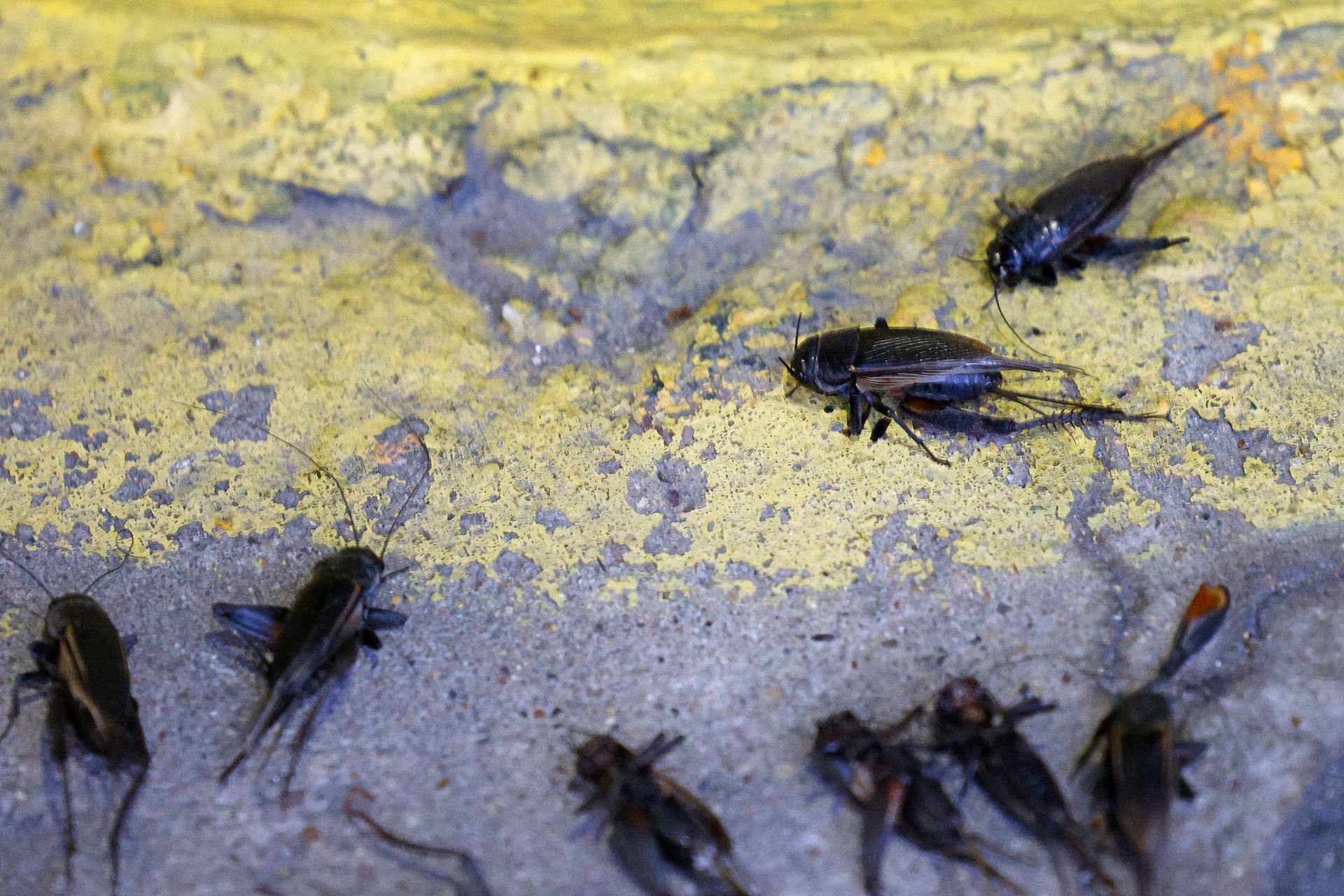
Crickets are nature’s moisture meters. If you hear a chorus in the basement, you likely have humidity above 55 percent. Dehumidify first. Seal rim joist gaps and insulate cold water lines to reduce condensation. Glue boards at baseboard seams tell you whether your adjustments worked. Sprays along baseboards handle stragglers, but moisture, grade, and clutter are the levers that move crickets out.
What a winter visit with Domination Extermination looks like
By December or January, a professional set of eyes sees patterns you might miss. A winter service with Domination Extermination typically runs inside-out. We start in the kitchen and baths, checking sink bases for miscuts and gaps, then move to the mechanical room for utility penetrations. In the attic, we scan for rodent runways in insulation and droppings near roof vents. Outside, we check for daylight under doors, gnaw marks at garage weather stripping, and gaps at siding transitions. We refresh rodent stations where appropriate, adjust termite monitoring if present, and leave you with a prioritized list instead of a sales pitch. January work done well makes April easier.
Putting it all together without overdoing it
A maintenance plan works when it is simple enough to stick with. You are not trying to sterilize your ecosystem, you are trying to nudge it so the pests that like human houses find yours a little less attractive at every turn. Small calibrations, like a larvicide dunk in a rain barrel or a brush seal on a garage door, multiply across a year. Stack those with smart timing, and you cut pesticide use, sleepless nights, and repair bills.
If you want a partner to carry the heavier parts, a well-tuned service cadence like the one we run at Domination Extermination will line up with the biology and the calendar. If you prefer to do most of it yourself, borrow the rhythm. January for sealing, March for water, April for ants, May for wasps and carpenter bees, June for mosquitoes, September for rodents, and steady housekeeping in between. The house will feel calmer, because pest control that respects time feels like maintenance, not crisis response.
Domination Extermination
10 Westwood Dr, Mantua Township, NJ 08051
(856) 633-0304